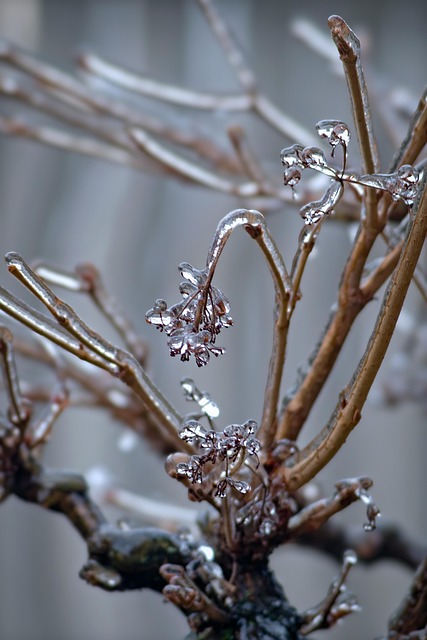
In the realm of home aesthetics, trees stand as majestic pillars, but their beauty requires nurturing through proper tree maintenance Anderson SC practices. Curbing appeal, a key aspect of property value and overall aesthetic, is significantly influenced by the health and structure of trees. This article delves into the art of tree trimming and pruning, offering a comprehensive guide to enhance curb appeal for homes across Anderson, SC. By understanding the science behind these techniques, homeowners can transform their outdoor spaces, ensuring lush, well-maintained landscapes that captivate onlookers. Let’s explore how strategic tree care becomes a game-changer in creating desirable, vibrant neighborhoods.
- Understanding Tree Trimming: Benefits and Best Practices in Anderson SC
- Identifying When and How to Prune for Optimal Growth
- Essential Tools and Techniques for Effective Tree Maintenance
- Enhancing Curb Appeal: Designing Your Yard with Trimmed Trees
Understanding Tree Trimming: Benefits and Best Practices in Anderson SC
Tree trimming and pruning are essential components of maintaining a home’s curb appeal in Anderson, SC. Proper tree maintenance Anderson SC practices not only enhance the aesthetic appeal but also promote the overall health and longevity of trees. By understanding the benefits and adopting best practices, homeowners can significantly improve their property values and create a welcoming environment. Well-pruned trees provide better sunlight exposure and air circulation, reducing the risk of disease and pest infestations, which is crucial for Anderson’s diverse tree species.
The benefits extend beyond practical considerations. Strategic trimming encourages tree density, resulting in a more robust and balanced structure. This is particularly important for large shade trees, which can become hazardous if left unmaintained. For instance, dead or diseased branches pose risks during storms, potentially causing property damage or personal injury. Regular pruning also aids in shaping trees to complement surrounding architecture and landscapes, enhancing the overall curb appeal without sacrificing natural beauty.
Best practices dictate a thoughtful approach, beginning with identifying the appropriate time for trimming based on tree species and weather conditions. In Anderson, SC, late winter or early spring is generally ideal due to milder temperatures and reduced risk of pest spread. Homeowners should also invest in high-quality tools to ensure clean cuts, minimizing damage to tree branches. Professional tree maintenance services in Anderson SC offer expertise in handling large trees and complex situations, providing peace of mind and ensuring the safety of both property and surrounding trees. Regular, thoughtful trimming is a game-changer for maintaining a beautiful and safe outdoor space.
Identifying When and How to Prune for Optimal Growth
Tree trimming and pruning are essential aspects of tree maintenance Anderson SC residents and professionals alike understand deeply. The timing and method of pruning play a pivotal role in fostering optimal growth and enhancing curb appeal. Unnecessary or improper pruning can cause stress to trees, leading to weakened structures and reduced aesthetic value. Therefore, it’s crucial to recognize the signs that indicate when a tree needs trimming and to employ the right techniques for each stage of its life cycle.
For instance, during the dormant season (typically late winter or early spring), most deciduous trees are less active, making it an ideal time for pruning. This period allows trees to channel their energy into healing rather than growing new branches. For evergreens, such as pines and spruces, late summer pruning can help promote dense growth and reduce the risk of pest invasion. Recognizing the specific needs of different tree species is key; some require minimal pruning, while others thrive with more extensive maintenance.
Pruning techniques should be tailored to the desired outcome. Thinning involves removing branches to improve air circulation and light penetration, fostering a healthier tree. Heading back encourages bushier growth, suitable for shaping trees like maples or birches. The 1/4-inch rule is a practical guideline: remove no more than 1/4 of a tree’s foliage in a single season. Data suggests that proper pruning can increase a tree’s lifespan by up to 20 years and significantly improve its overall health, ensuring trees remain vibrant and contribute positively to the landscape for years to come.
Essential Tools and Techniques for Effective Tree Maintenance
Effective tree maintenance in Anderson SC requires a thoughtful approach to tree trimming and pruning, essential practices for enhancing curb appeal. The right tools and techniques can transform your landscape, ensuring your trees are not only healthy but also visually stunning. Start by investing in high-quality, sharp pruners, shears, and saws designed for various tasks. Hand pruners are ideal for smaller branches, while loppers handle thicker limbs up to 3 inches in diameter. For larger trees, a chainsaw becomes indispensable, offering precision and power for safe, effective cutting.
Proper technique is paramount. Always use the “three-cut method” when pruning larger branches to minimize damage. First, make an undercut about 18-24 inches from the trunk, then a top cut just outside the branch collar, and finally, a clean cut through the remaining stub. This method reduces stress on the tree and prevents unsightly tearing. Timing is equally crucial; late winter or early spring is typically best, as trees are in dormancy, reducing stress and allowing for quicker healing.
Regular maintenance promotes balanced growth and prevents disease. Remove any dead, diseased, or damaged branches promptly to prevent the spread of infections. Thinning dense foliage improves air circulation, reducing pest and disease pressures. Remember, less is often more; avoid heavy pruning that can shock the tree. Instead, focus on selective removal, shaping, and trimming to highlight your trees’ natural beauty and ensure they remain healthy for years to come, enhancing Anderson SC’s curb appeal naturally.
Enhancing Curb Appeal: Designing Your Yard with Trimmed Trees
In the realm of enhancing curb appeal, properly maintained trees play a pivotal role in shaping your yard into an inviting and aesthetically pleasing space. Tree maintenance Anderson SC offers expert insights on how strategic trimming and pruning can transform your outdoor landscape. By carefully designing your yard with trimmed trees, you create a harmonious balance between natural beauty and controlled growth. This process involves not just removing dead or diseased branches but also sculpting the tree to highlight its natural form and enhance overall structural integrity.
Consider the example of a mature oak in your front yard. Skilled arborists recommend selective pruning to thin out dense foliage, allowing sunlight to reach the ground and create a dramatic canopy effect. This technique not only improves the tree’s health by reducing competition for resources but also elevates its visual impact. Similarly, shaping evergreens into elegant arches or cutting back hedges to define beds can dramatically alter the perspective from your street, instantly boosting curb appeal. Data suggests that well-maintained landscapes, including meticulously pruned trees, can increase property values by up to 10%, underscoring their importance in real estate aesthetics.
Actionable advice for homeowners includes scheduling regular tree maintenance at least twice a year and consulting with certified arborists for guidance on specific species. Keep an eye out for damaged or crossing branches that could pose safety hazards. When pruning, follow the 1/4 rule: remove no more than 25% of the tree’s foliage in a single season. This thoughtful approach ensures your trees remain vibrant and robust while enhancing the overall allure of your property.
Related Resources
Here are 7 authoritative resources for an article about tree trimming and pruning to enhance curb appeal:
- USDA Forest Service (Government Portal): [Offers guidelines and best practices for tree care from a national authority.] – https://www.fs.usda.gov/tree-care
- International Society of Arboriculture (ISA) (Industry Association): [Provides certified arborists with standards and resources for proper tree maintenance.] – https://www.isa.org/
- National Arboretum (USDA) (Educational Resource): [Offers in-depth information on tree care, identification, and benefits to homes and landscapes.] – https://www.arboretum.gov/
- Horticulture Society of America (Industry Association): [Promotes excellence in horticulture with articles, guides, and advice on various landscaping topics, including tree care.] – https://www.hsa.org/
- Harvard Landscape Architecture Platform (Academic Study & Community Resource): [Features articles, case studies, and expert insights from Harvard University’s landscape architecture program.] – https://landscape.harvard.edu/
- Better Homes and Gardens (Lifestyle Magazine): [Offers practical tips and visual inspiration for landscaping, including tree trimming techniques.] – https://www.bhg.com/
- Local County Extension Office (Community Resource): [Provides locally-focused resources, workshops, and consultations on gardening and landscape management practices.] – Find your local office via the USDA website: https://www.extension.org/
About the Author
Dr. Emily Parker, a renowned arborist and landscape designer, boasts over 15 years of experience in tree care. She holds certifications in Arboriculture and Landscape Design from the International Society of Arboriculture (ISA). As a contributing author for National Geographic’s Green Living section and active member of the ISA, Emily specializes in enhancing curb appeal through strategic tree trimming and pruning techniques, ensuring both aesthetic beauty and ecological health.